

Electronics Recycling Oklahoma City: Oklahoma Penalties Reach $70,000 Per Day for E-Waste Violations
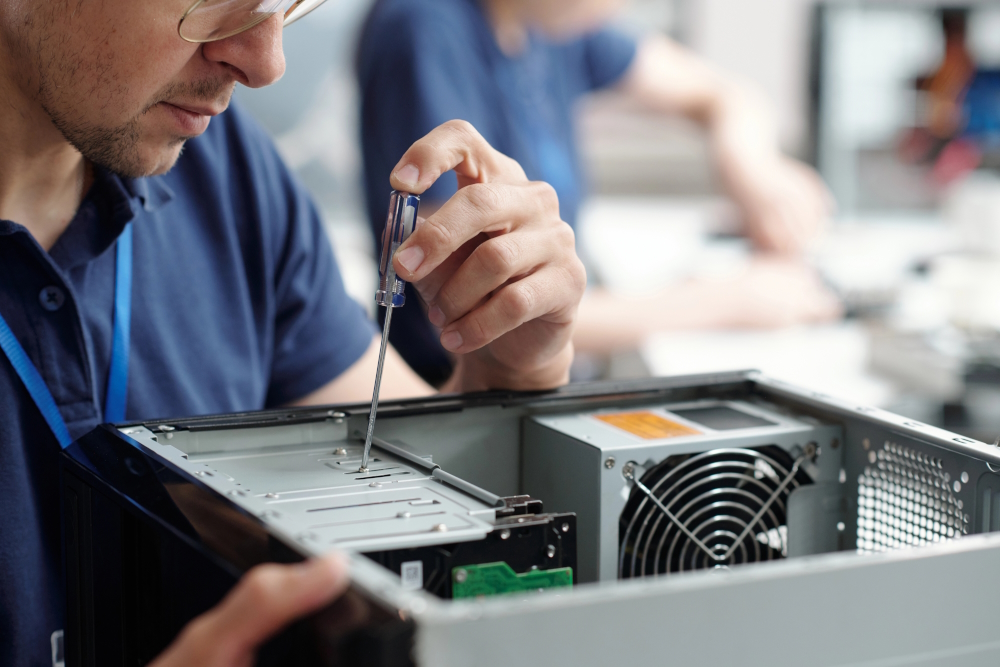
Electronics Recycling Oklahoma City
Oklahoma companies generating electronic waste must comply with universal waste regulations. E-waste includes computers, monitors, servers, laptops, smartphones, tablets, printers, and networking equipment. These devices contain hazardous materials including lead, mercury, cadmium, and toxic flame retardants.
Oklahoma businesses underestimate the financial and legal risks of improper e-waste disposal," states Matthew Self from MARRS Recycling. "Companies remain liable for their electronic waste from generation through final disposal under federal RCRA requirements.
The EPA classifies e-waste as one of eight universal waste types requiring specialized handling. Universal waste regulations apply lower immediate risk standards when materials receive proper management. Improper disposal triggers hazardous waste violations and substantial penalty assessments.
Electronic waste grows three times faster than regular municipal solid waste streams. The United States generates between 300 million and 400 million electronic items annually. Less than 20% of domestic e-waste receives proper recycling according to EPA research.
Oklahoma City generates substantial electronic waste volumes from corporate offices, data centers, healthcare facilities, and educational institutions. IT asset disposition requires certified recyclers holding R2 or e-Stewards certifications. These industry standards ensure environmental protection and data security compliance.
E-waste represents only 2% of landfill mass but accounts for 70% of toxic waste contamination. Heavy metals leach into groundwater when electronics decompose in landfills. Lead exposure damages nervous systems, harms kidneys, and causes neurological disorders.
Mercury from LCD backlights and fluorescent displays contaminates soil and water supplies. Cadmium from batteries and circuit boards poses cancer risks and reproductive harm. Chromium and flame retardants release toxic compounds during incineration or improper processing.
MARRS Recycling provides certified IT asset disposition services throughout Oklahoma City and surrounding regions. The company holds R2 certification from Sustainable Electronics Recycling International. Services include secure data destruction, asset remarketing, materials recovery, and compliance documentation.
Data security remains critical during electronics disposal processes. Simply formatting or deleting files fails to ensure complete data erasure. Certified data destruction services guarantee absolute removal of confidential information from hard drives and storage media.
NAID AAA certification represents the highest standard for data destruction services. The National Association of Information Destruction conducts unannounced third-party audits annually. Certified providers follow strict protocols for physical security and employee background checks.
Electronic waste contains valuable materials including gold, silver, palladium, and copper. One ton of discarded cell phones yields more gold than several tons of mined ore. Proper materials recovery reduces demand for virgin resource extraction.
The global e-waste management market reached $75.53 billion in 2024. Industry projections estimate $268.91 billion market value by 2034 representing 14.2% compound annual growth. The IT asset disposition sector supports circular economy initiatives and sustainability goals.
Consumer electronics dominate e-waste streams with 49.9% market share in 2024. Small IT equipment including phones and laptops generates 11 billion pounds of global electronic waste. Rapid technological advancement shortens device lifecycles and increases disposal volumes.
Oklahoma businesses must track electronic waste through complete disposal chains. Downstream accountability requirements verify certified processing at all facilities. Companies using non-certified recyclers face joint liability for improper handling.
MARRS Recycling operates certified processing facilities with documented downstream vendor networks. Chain-of-custody tracking ensures transparent material flows from collection through final disposition. Blockchain technology and IoT sensors provide real-time verification capabilities.
Asset remarketing services extend functional device lifecycles and maximize value recovery. Equipment assessment determines resale potential versus recycling pathways. Refurbished electronics serve secondary markets while reducing new manufacturing demand.
Data sanitization precedes all remarketing activities. Software-based erasure meets NIST 800-88 standards for media sanitization. Physical destruction applies to damaged storage devices or high-security requirements.
Electronic waste recycling employs advanced separation technologies. AI-powered sorting systems identify materials using computer vision algorithms. Robotic disassembly safely handles hazardous components and improves worker safety.
Advanced metallurgy techniques enhance precious metal recovery rates. Hydrometallurgical and pyrometallurgical processes extract gold, silver, and palladium from circuit boards. These methods reduce environmental impact compared to traditional mining operations.
E-plastics processing separates polypropylene, polyethylene, ABS, and polystyrene for domestic reuse. Material recovery supports circular economy principles by returning commodities to manufacturing supply chains. Closed-loop recycling reduces dependence on petroleum-based virgin plastics.
Oklahoma companies face increasing pressure to meet environmental, social, and governance reporting requirements. Corporate sustainability initiatives demand documented waste diversion and recycling metrics. Certified ITAD providers supply comprehensive ESG reporting data.
Extended Producer Responsibility programs shift end-of-life management costs to manufacturers. EPR legislation encourages product design for recyclability and reduced environmental impact. Oklahoma businesses benefit from manufacturer take-back programs and collection infrastructure.
The Basel Convention regulates international hazardous waste movements including electronic waste exports. The Basel Ban prohibits toxic waste shipments to developing countries. R2 and e-Stewards certifications enforce strict export compliance requirements.
E-Stewards certification requires ISO 14001 environmental management systems or RIOS standards. The program prohibits landfill disposal and incineration of toxic e-waste. Export restrictions limit shipments to Basel Convention signatory countries with proven processing capabilities.
R2v3 certification emphasizes responsible recycling throughout product lifecycles. The standard permits controlled exports to developed countries meeting environmental standards. Appendices address specialized processing including ITAD, remarketing, and trade-in programs.
Oklahoma businesses selecting ITAD partners must verify current certifications. Annual audits by accredited certification bodies ensure ongoing compliance. Certification scope should match specific business requirements for data destruction and materials processing.
MARRS Recycling provides free pickup services for businesses throughout Oklahoma City. Logistics networks ensure secure transportation from client facilities to processing centers. Inventory tracking systems document all equipment from collection through final disposition.
Hard drive destruction services include shredding, degaussing, and physical disintegration. Industrial shredders reduce storage media to particles meeting DoD 5220.22-M specifications. Certificates of destruction list individual device serial numbers for audit compliance.
Server decommissioning requires specialized handling for rack-mounted equipment and blade systems. Data center services address high-volume enterprise IT infrastructure refreshes. Secure transportation maintains chain-of-custody for sensitive government and financial sector assets.
Printer and copier recycling addresses embedded hard drives in multifunction devices. These storage components contain document caches and network credentials. Proper sanitization prevents data breach risks from overlooked equipment.
Mobile device recycling processes smartphones, tablets, and wearable technology. Battery removal prevents fire hazards during transportation and processing. Devices undergo data wiping or physical destruction based on functional condition.
Cathode ray tube televisions and monitors require lead-safe handling protocols. CRT glass contains 4-7 pounds of lead per unit. Specialized processing facilities separate leaded and unleaded glass for appropriate treatment.
LCD and LED displays contain mercury in backlighting components. Proper dismantling prevents mercury vapor release during processing. Lamp extraction and mercury recovery meet EPA universal waste standards.
Laptop and notebook computer recycling recovers aluminum, copper, and precious metals. Battery packs undergo separate processing at licensed battery recyclers. Lithium-ion batteries classified as universal waste require specialized handling facilities.
Network equipment including routers, switches, and telecommunications gear contains valuable copper and gold. Printed circuit board recovery employs chemical and thermal processing. Material commodities enter global supply chains for electronics manufacturing.
Small electronics comprising one-third of e-waste volume include IoT devices, small appliances, and peripherals. These items often bypass formal recycling due to size and low perceived value. Comprehensive collection programs address this growing waste stream.
Oklahoma businesses operating in healthcare, finance, and government sectors face heightened compliance requirements. HIPAA, GLBA, and FISMA regulations mandate secure data destruction. Certified ITAD providers ensure regulatory compliance and audit trail documentation.
State electronics recycling laws vary significantly across the United States. Twenty-five states currently enforce electronic waste recycling legislation. Oklahoma companies shipping e-waste across state lines must comply with destination state requirements.
The Electronic Waste Recycling Act established California's pioneering e-waste management framework. The program collected over 2.2 billion pounds since 2005 inception. Other states model legislation on California's covered electronic device approach.
Oklahoma's central geographic position creates multistate compliance considerations for regional businesses. Companies operating across state lines need ITAD partners with nationwide capabilities. Consistent processes ensure compliance regardless of equipment origin or processing location.
Environmental justice concerns drive increased e-waste enforcement. Improper disposal disproportionately impacts vulnerable communities near landfills and informal processing sites. Toxic exposure causes respiratory problems, skin disorders, and developmental issues.
Worker safety regulations protect personnel handling electronic waste. OSHA standards address hazardous material exposure and ergonomic risks. Certified facilities implement protective equipment, ventilation systems, and safety training programs.
Green job creation accompanies e-waste industry growth. Recycling and refurbishment sectors employ collection drivers, warehouse workers, technicians, and administrative staff. Oklahoma businesses supporting local certified recyclers contribute to regional economic development.
Technology advances enable more efficient e-waste processing. Sensor-based sorting improves material separation accuracy and throughput. Automation reduces labor costs while improving recovery rates and worker safety.
The COVID-19 pandemic accelerated technology adoption and equipment replacement cycles. Remote work infrastructure upgrades generated substantial IT asset disposition volumes. Post-pandemic equipment refresh continues driving e-waste generation.
Right-to-repair legislation extends device operational lifespans. Modular design and available replacement parts reduce premature disposal. Oklahoma consumers and businesses benefit from extended manufacturer support periods.
Planned obsolescence practices contribute to accelerating e-waste growth. Software support termination forces hardware replacement despite functional capability. Microsoft's Windows 10 end-of-life potentially obsoletes 400 million PCs globally.
Extended support programs counter forced obsolescence trends. Google extended Chromebook support to 10 years improving education sector sustainability. Similar initiatives reduce e-waste volumes and total cost of ownership.
Battery-embedded products represent the fastest-growing e-waste category. Cordless tools, personal grooming devices, and smart speakers contain non-removable batteries. Integrated power sources complicate recycling and increase fire risks.
Lithium-ion battery recycling addresses growing electric vehicle and energy storage waste streams. Battery pack disassembly requires specialized facilities and trained technicians. Material recovery targets lithium, cobalt, nickel, and manganese for remanufacturing.
Disposable vape devices create emerging e-waste challenges. The market grows 31% annually through 2030 without established recycling infrastructure. These items contain lithium batteries and electronic components requiring proper disposal.
Solar panel e-waste looms as future recycling challenge. Panels installed during early adoption phases approach end-of-life. Specialized recycling processes recover silicon, silver, and aluminum from photovoltaic modules.
Oklahoma businesses preparing for equipment refreshes should plan disposal strategies early. Advance planning ensures compliant processing and maximizes asset value recovery. MARRS Recycling provides consultation services for IT lifecycle management.
Inventory management systems track equipment from deployment through retirement. Asset tagging enables accurate end-of-life disposition decisions. Detailed records support depreciation schedules and audit requirements.
Data breach costs average $4.45 million per incident according to IBM research. Improper electronics disposal ranks among leading data exposure vectors. Certified data destruction eliminates this vulnerability at minimal cost.
Reputational damage from data breaches extends beyond direct financial losses. Customer trust erosion and brand value decline create long-term business impacts. Responsible e-waste management demonstrates corporate environmental and security commitments.
Contact MARRS Recycling today to ensure compliant electronics disposal and avoid devastating penalties. Professional ITAD services protect Oklahoma businesses from regulatory violations, data breaches, and environmental liability.
MARRS Recycling serves Oklahoma City, Tulsa, Norman, Edmond, and throughout Oklahoma state. The company provides customized solutions for businesses of all sizes across industries. Free consultation services help organizations develop comprehensive electronics lifecycle strategies.
About MARRS Recycling
MARRS Recycling delivers certified electronics recycling and IT asset disposition services throughout Oklahoma and surrounding states. The company maintains R2 certification ensuring responsible e-waste management and environmental protection. Services include secure data destruction, equipment remarketing, materials recovery, compliance documentation, and ESG reporting support.
Matthew Self
MARRS Recycling
+1 405-445-1085
info@marrsit.com
Visit us on social media:
LinkedIn
Instagram
Facebook
YouTube
X
Electronics Recycling Oklahoma City | MARRS Recycling
Legal Disclaimer:
EIN Presswire provides this news content "as is" without warranty of any kind. We do not accept any responsibility or liability for the accuracy, content, images, videos, licenses, completeness, legality, or reliability of the information contained in this article. If you have any complaints or copyright issues related to this article, kindly contact the author above.
